The Perilous Journey to Scheria: From Calypso's Isle to the Brink of Death
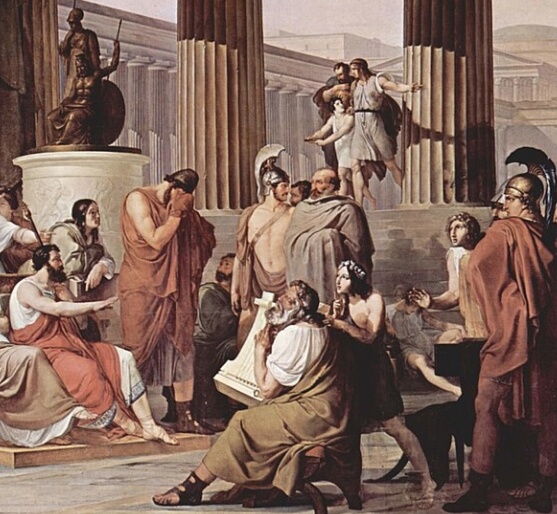
Odysseus, the resourceful hero of the Trojan War, faced a decade of unimaginable trials on his arduous journey home to Ithaca. After battling monstrous creatures, outwitting cunning sorceresses, and enduring the wrath of gods, he found himself utterly alone, adrift and near death. His final salvation before reaching his beloved home would come from an unexpected source: the Phaeacians, inhabitants of the mythical island of Scheria. Their extraordinary hospitality, as captured by the timeless phrase
Accolsero Ulisse Naufrago – "They welcomed shipwrecked Odysseus" – stands as a beacon of ancient generosity and a testament to the power of human compassion. This article delves into the profound impact of the Phaeacians' aid, unraveling the layers of their unique culture, their wise leadership, and the audacious decision that ultimately guided Odysseus back to his destiny.
Before his arrival on Scheria, Odysseus's situation was desperate. Having spent seven years as the unwilling guest of the nymph Calypso on Ogygia, he finally departed on a raft of his own making, only to be subjected to the vengeful fury of Poseidon, god of the sea. Still enraged by Odysseus's blinding of his son, the Cyclops Polyphemus, Poseidon conjured a monstrous storm that shattered the raft, leaving the hero clinging to a single plank. Near-drowning, hypothermic, and utterly exhausted, he washed ashore on the verdant coast of Scheria, barely clinging to life. It was here, at the lowest ebb of his epic journey, that fate intervened, leading him into the path of a people renowned for their grace, culture, and profound respect for strangers.
Odysseus's extreme vulnerability upon arrival underscores the magnitude of the Phaeacians' kindness. He was not a celebrated warrior demanding respect, but a naked, broken man, completely at their mercy. This amplifies the Phaeacians' humanity and their adherence to the sacred laws of
xenia (guest-friendship), a cornerstone of ancient Greek society that mandated hospitality towards strangers. Their immediate embrace of him as an honored guest exemplifies the true spirit of *Accolsero Ulisse Naufrago*.
Nausicaa's Compassion and the Phaeacian Ethos: The Core of Their Welcome
The first encounter was pivotal. Led by a dream from Athena, Princess Nausicaa, the beautiful daughter of King Alcinous and Queen Arete, ventured to the shore with her handmaidens to wash clothes. Discovering the dishevelled Odysseus, her reaction was not one of fear or disdain, but of immediate compassion. While her maids scattered, Nausicaa stood firm, offering him food, drink, and clothing, and instructing him on how to approach her royal parents for aid.
The Phaeacians were an extraordinary people. Descendants of Poseidon himself, they had been resettled by King Nausithous from their former land near the Cyclopes to the idyllic island of Scheria, a place of peace and prosperity. They lived a life of leisure, artistry, and advanced seamanship, their ships so swift and intelligent they required no helmsman. Their society valued hospitality above all, considering every stranger a potential envoy from the gods. This deeply ingrained ethos of
xenia made them uniquely receptive to Odysseus's plight.
A Grand Reception at the Palace
Following Nausicaa's wise counsel, Odysseus entered the splendid palace of King Alcinous. Instead of directly addressing the king, he appealed to Queen Arete, known for her wisdom and influence. This subtle strategy, guided by Nausicaa, demonstrated Odysseus's diplomatic prowess even in his weakened state. He knelt as a suppliant, a universal gesture of humility, and recounted a brief, sanitized version of his journey, carefully omitting details that might reveal his true identity too soon. The royal couple, particularly Alcinous, were deeply moved. They not only agreed to provide him safe passage home but offered him a place of honor at their ongoing feast.
The story of Nausicaa highlights the power of empathy and the importance of offering help to those in need, regardless of their appearance or status. Her courage and kindness set the stage for Odysseus's salvation, embodying the very essence of welcoming the shipwrecked hero.
The Royal Banquet: A King's Generosity and a Hero's Tale
It was during this lavish banquet, amidst the finest foods, wines, and the enchanting music of the bard Demodocus, that Odysseus truly began to recover – physically, emotionally, and socially. He was not just *accolsero Ulisse naufrago*; he was embraced as an honored guest. The Phaeacians, especially King Alcinous, pressed him gently for his story. Reluctantly at first, then with increasing passion and detail, Odysseus unveiled the incredible saga of his decade-long struggle. He recounted his encounters with the monstrous Cyclops, the enchanting sorceress Circe, the perilous journey through the land of the Dead, and the seductive songs of the Sirens. These are the very adventures that form the core of Homer's *Odyssey*, delivered by the hero himself as a captivating, first-person narrative.
This act of storytelling served several crucial purposes:
- Building Trust: Odysseus's candid (though sometimes strategically edited) recounting of his adventures solidified the Phaeacians' belief in his noble character and divine favor.
- Eliciting Empathy: Hearing the visceral details of his suffering deepened their sympathy and reinforced their resolve to help him.
- Cultural Exchange: It was a profound sharing of experiences between two distinct societies, bridging the gap between their idyllic existence and the harsh realities of the wider world.
The banquet scene is a masterclass in the art of persuasive storytelling. Odysseus doesn't just ask for help; he earns it through the sheer force of his narrative, proving his worthiness and resilience. It shows how the simple act of sharing one's truth can forge powerful connections and pave the way for extraordinary generosity.
Alcinous's Defiance and the Miraculous Journey Home
Moved beyond measure by Odysseus's tale and convinced of his heroic stature, King Alcinous made a monumental decision: he would provide Odysseus with one of his legendary ships, complete with a crew, to take him directly to Ithaca. This was no small commitment. It meant defying the wrath of Poseidon, who had sworn that Odysseus would suffer before reaching home, and who might exact a terrible price on the Phaeacians for interfering with his divine vengeance.
Alcinous's choice demonstrated profound leadership and moral courage. He prioritized the sacred laws of hospitality and the well-being of a divinely favored stranger over his own safety and that of his kingdom. His boldness is a central theme in the narrative, a true display of
King Alcinous's Boldness: Defying Poseidon for Odysseus's Journey.
The Phaeacians prepared a ship that was nothing short of miraculous. Phaeacian vessels were often described as possessing magical qualities, capable of traversing vast distances in mere hours, guided by the very thoughts of their crew, requiring no helmsman. It sailed through the night, covering vast distances with impossible speed. Odysseus, lulled by sleep, was carried across the sea, finally reaching the familiar shores of Ithaca. The Phaeacians gently laid him on his own land, along with a magnificent pile of gifts, true to their generous nature. This final act solidified
Odysseus's Final Voyage: How the Phaeacians Ensured His Ithaca Return, marking the end of his wanderings and the beginning of his final challenge to reclaim his throne.
As foretold by an ancient prophecy, Poseidon, angered by this intervention, turned the returning Phaeacian ship to stone just outside their harbor, effectively cutting them off from the sea and their seafaring prowess. This tragic consequence highlights the immense risk Alcinous took, underscoring the depth of his commitment to his guest. It serves as a powerful reminder that upholding moral principles sometimes comes with a significant personal cost.
Practical Lessons from Scheria's Welcome
The Phaeacians' actions offer timeless insights:
- Empathy is a Catalyst: Nausicaa's initial compassion transformed Odysseus's dire situation. Seeking to understand and respond to another's distress can open doors to unexpected solutions.
- The Power of Storytelling: Odysseus's narratives captivated his hosts, moving them to action. In any context, sharing personal experiences authentically can build connections and influence decisions.
- Principled Leadership: King Alcinous's decision, despite the potential divine retribution, exemplifies leadership that prioritizes ethical conduct and hospitality above fear.
- Generosity Beyond Expectation: The Phaeacians gave not just passage, but abundant gifts, demonstrating a generosity that goes beyond mere obligation, enriching both giver and receiver.
Conclusion
The Phaeacians' welcome of shipwrecked Odysseus is far more than a simple act of charity; it is a foundational pillar of the *Odyssey*, showcasing the profound values of ancient Greek society. From Nausicaa's initial kindness to King Alcinous's courageous defiance of divine wrath, the people of Scheria embodied an ideal of hospitality that remains resonant today. They saw beyond Odysseus's ragged appearance to the hero within, listening to his plight and offering tangible, life-altering aid. The phrase *Accolsero Ulisse Naufrago* encapsulates not just an event, but a profound demonstration of empathy, courage, and leadership that ultimately brought a weary hero home. Their legacy reminds us that even in the face of immense adversity, the simple act of welcoming a stranger can change a destiny, proving that true heroism is not just found on the battlefield, but also in the quiet, compassionate gestures of humanity.